
MAXWELL & MOLLY’S NEW PET GUIDE
Welcome Home
Your Guide to a Happy Beginning with Your New Pet
Whether you’re welcoming a puppy, an adult dog, a rescue pet, a kitten or a cat, we’re here to help make those first days—and every day after—a little easier.
To your precious new pet: Welcome home.
And to you: Welcome to the Maxwell & Molly’s family.

New Puppy or Dog

New Kitten or Cat

Newly Adopted or Rescue Dog
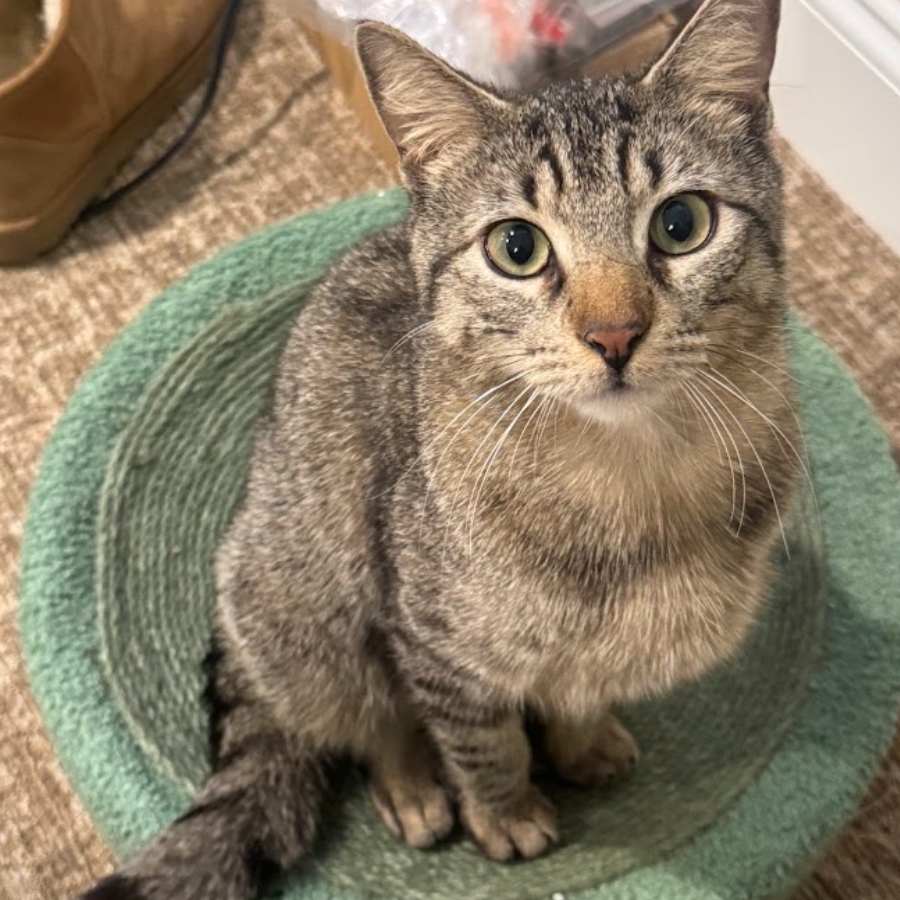
Newly Adopted or Rescue Cat
HELPFUL GUIDES FOR YOUR NEW PET
Choose the guide that best fits your new family member for practical advice on settling in, nutrition, safety and everyday care.
NEW PUPPY OR DOG
A PRACTICAL FIRST-DAYS GUIDE
Bringing home a new dog is exciting—but everything is unfamiliar to them. A calm beginning, clear routine and a little patience will help them feel secure and learn what is expected.
START WITH A SMALLER, SAFE AREA
One of the most common mistakes is giving a new dog access to the entire house immediately. Begin with one or two puppy-proofed rooms where you can supervise them. Gradually allow more freedom as they learn the routine and demonstrate good habits.
CREATE A PREDICTABLE ROUTINE
Feed meals, take potty breaks, go for walks and settle down for bedtime at approximately the same times each day. Dogs feel safer when they can begin to predict what happens next.
SCHEDULE A VETERINARY VISIT
Arrange an initial examination soon after bringing your pet home. Bring any vaccination, microchip, adoption or breeder records. Ask about vaccines, parasite testing, flea and tick prevention, heartworm prevention, spaying or neutering and when it is safe for your puppy to visit public places.
MAKE FOOD CHANGES GRADUALLY
A new home may also mean a new food. Sudden changes can cause stomach upset. Unless your veterinarian advises otherwise, transition over approximately 7–10 days:
Days 1–3: 75% current food and 25% new food
Days 4–6: 50% current food and 50% new food
Days 7–9: 25% current food and 75% new food
Day 10: 100% new food
Some pets need an even slower transition. If vomiting, diarrhea or appetite problems continue, contact your veterinarian.
ESTABLISH A POTTY ROUTINE
Take puppies outside immediately after waking, eating, drinking and active play—and frequently throughout the day. Use the same outdoor area and reward them as soon as they finish. Accidents are part of learning; clean them with an enzymatic cleaner and avoid punishment.
MAKE THE CRATE A POSITIVE PLACE
A crate can provide a safe place to sleep and relax, but it should never be used as punishment. Introduce it gradually with treats, meals and comfortable bedding. The crate should be large enough for your dog to stand, turn around and lie down comfortably.
EXPECT LOTS OF SLEEP
Puppies may sleep 18–20 hours throughout a day. Even adult dogs may sleep more while adjusting to a new environment. Provide a quiet resting place and teach children not to disturb a sleeping dog.
INTRODUCE PEOPLE AND PETS SLOWLY
Keep early meetings short, calm and supervised. Allow your new dog to approach at their own pace. Introduce resident dogs on neutral ground when possible, and give every pet separate food bowls, beds and personal space.
SOCIALIZE SAFELY
Socialization means calmly introducing your puppy to different people, sounds, surfaces, handling and environments—not overwhelming them. Until your veterinarian confirms your puppy is adequately protected by vaccines, avoid dog parks and heavily traveled pet areas. Choose controlled experiences with healthy, vaccinated dogs.
BEGIN SHORT, REWARD-BASED TRAINING
Start with their name, “come,” “sit,” “leave it” and “drop it.” Keep sessions short and reward the behavior you want with treats, praise or play. Consistency among everyone in the household is more important than long training sessions.
PRACTICE SHORT PERIODS ALONE
Begin with very brief separations while your dog is calm, then increase the time gradually. Avoid making departures or arrivals overly dramatic. Practicing early can help your pet learn that being alone is safe and that you always return.
PUPPY-PROOF MORE THAN YOU THINK
Secure medications, cleaners, trash, electrical cords, shoes, children’s toys, string, socks and anything small enough to swallow. Keep chocolate, grapes, raisins, onions, products containing xylitol and other unsafe foods out of reach.
GOT PLANTS? CHECK WHAT’S SAFE
Many common houseplants and garden plants can be toxic to pets. Check every plant and bouquet before bringing your new dog home. If you believe your pet ate something unsafe, contact your veterinarian or a pet poison-control service immediately.
CHECK THE FIT AND UPDATE IDENTIFICATION
A properly fitted collar or harness should be secure without restricting movement. Attach the leash before opening an exterior or car door. Confirm that the identification tag is current and that the microchip is registered with your correct phone number and address.
HELP THEM GET COMFORTABLE WITH HANDLING
Gently practice touching their paws, ears, mouth and body while offering treats. Introduce brushing, nail care and toothbrushing gradually. These small exercises can make future grooming and veterinary visits much easier.
KNOW WHAT REQUIRES A VETERINARIAN
Contact your veterinarian if your new pet has repeated vomiting or diarrhea, refuses food, is unusually weak, has difficulty breathing, develops a swollen or painful abdomen, cannot urinate, or may have swallowed a toxin or foreign object. Young puppies can become ill quickly, so do not wait if something seems wrong.
BE PATIENT WITH THE ADJUSTMENT PERIOD
Accidents, extra sleep, cautious behavior, restlessness or temporary changes in appetite can occur during an adjustment. Some dogs settle quickly; others need several weeks. Calm routines, supervision, patience and positive reinforcement build trust.
NEED HELP CHOOSING FOOD, TREATS OR NEW-PET ESSENTIALS?
Stop by Maxwell & Molly’s with your new family member. Our crew can help you compare dry, wet, raw, freeze-dried, air-dried and gently cooked options and find an approach that fits your pet, your budget and your routine.
NEWLY ADOPTED OR RESCUE DOG
HELPING THEM FEEL SAFE
A newly adopted dog may be leaving a shelter, foster home or another family. Even positive change can feel overwhelming. The most helpful thing you can provide at first is not constant activity—it is safety, predictability and time.
UNDERSTAND THE 3–3–3 GUIDELINE
Every dog adjusts differently, but the general 3–3–3 guideline can help set realistic expectations:
First 3 days: Your dog may feel overwhelmed, sleep frequently, hide, pace, have accidents or eat very little.
First 3 weeks: They begin learning your routine and showing more of their personality. New behaviors may appear as they become comfortable.
First 3 months: Many dogs begin to feel secure, form strong bonds and understand that they are home.
This is only a guideline. Some dogs settle quickly; others need considerably more time.
KEEP THE FIRST FEW DAYS QUIET
Avoid immediately introducing your dog to every friend, relative, store and neighborhood pet. Begin with a calm household, short walks and a predictable schedule. Decompression does not mean leaving them alone—it means offering quiet companionship without demanding interaction.
CREATE A SAFE HOME BASE
Provide a quiet area with a comfortable bed or open crate, water and a few safe toys. Let your dog rest without being followed or repeatedly approached. Never pull them from a crate, bed or hiding place unless there is an emergency. t’s their safe space.
PREVENT ESCAPES
Newly adopted dogs can be an increased flight risk, even when they initially appear calm. Check that the collar or harness fits securely, attach the leash before opening an exterior or car door and supervise time in fenced areas. Update their identification tag and register their microchip immediately.
SCHEDULE A VETERINARY VISIT
Bring all medical, vaccination, medication and adoption records. Follow all medication and recovery instructions provided by the rescue or shelter.
MAKE FOOD CHANGES GRADUALLY
Stress and sudden food changes can both cause digestive upset. Find out what your dog has been eating and then make changes gradually over approximately 7–10 days unless your veterinarian recommends otherwise. Our crew can help you select a food chioce that’s just right for them and create a manageable transition plan.
EXPECT HOUSE-TRAINING SETBACKS
Even a previously house-trained dog may have accidents in an unfamiliar home. Take them outside after waking, eating, drinking and active play. Reward success immediately and clean accidents with an enzymatic cleaner. Punishment can increase fear without teaching your dog where to go.
INTRODUCE PEOPLE AT YOUR DOG’S PACE
Ask visitors to remain calm and allow the dog to approach first. Avoid leaning over, hugging, cornering or reaching directly over their head. Keep early visits short, and always supervise interactions with children.
INTRODUCE RESIDENT PETS GRADUALLY
Introduce dogs outdoors on neutral ground when possible, then bring them inside calmly. Feed pets separately and provide separate beds, bowls, toys and resting spaces. Introduce cats through a secure barrier first and always give the cat an escape route and dog-free area.
LEARN WHAT YOUR DOG IS COMMUNICATING
Turning away, lip licking, yawning, freezing, tucked posture, showing the whites of the eyes or attempting to leave can indicate discomfort. Do not punish growling—it is a warning that your dog needs more space. Calmly end the interaction and seek qualified professional help if concerning behavior continues.
DO NOT TEST THEM AROUND FOOD OR TOYS
Avoid repeatedly taking away food, chews or favorite objects to “see what they do.” Offer trades for something better and return the item when appropriate. Feed separately from children and other pets while you learn your dog’s comfort level.
BEGIN TRAINING WITH TRUST
Start with their name, “come,” “sit,” “leave it” and “drop it.” Use short, reward-based sessions and keep household rules consistent. Avoid punishment-based methods, especially when you do not know what your dog may have experienced previously.
PRACTICE BEING ALONE GRADUALLY
Once your dog begins settling in, practice very short separations before leaving for longer periods. Provide a safe resting area and a suitable chew or enrichment toy.
If your dog is having mild difficulty settling, talk with our crew—we carry trusted calming aids, enrichment toys and comfort products that may help. If the panic is severe, your dog attempts to escape or becomes injured, consult a veterinarian or qualified behavior professional.
KEEP OUTINGS SIMPLE AT FIRST
Short, quiet walks are usually more helpful than crowded events, dog parks or busy stores. Your dog does not need to meet every person or dog. Gradually introduce new experiences while watching their body language.
WATCH APPETITE, STOOLS AND BEHAVIOR
Mild appetite or stool changes can occur with stress, but repeated vomiting or diarrhea, extreme lethargy, breathing difficulty, a swollen abdomen, inability to urinate or possible toxin ingestion requires prompt veterinary attention. Contact your veterinarian if your dog is not eating or something simply does not seem right.
REMEMBER: PROGRESS IS NOT ALWAYS A STRAIGHT LINE
A dog may appear comfortable one day and cautious the next. Continue providing structure, rest, gentle guidance and positive experiences. Patience, consistency and allowing your dog to move at their own pace are what build lasting trust.
NEED HELP WITH YOUR NEW FAMILY MEMBER?
Bring your newly adopted pet to Maxwell & Molly’s when they are ready. Our crew can help with food transitions, calming enrichment, properly fitted walking gear, training treats and everyday essentials for a more comfortable start.
NEW KITTEN OR CAT
A PRACTICAL FIRST-DAYS GUIDE
Cats often need time to understand that a new environment is safe. A quiet beginning, properly placed resources and the freedom to explore at their own pace can make the transition much easier.
START WITH ONE SAFE ROOM
Give your new cat one quiet room containing food, water, a litter box, a comfortable bed, a scratching surface, toys and a safe hiding place. Keep food and water away from the litter box. Allow access to the rest of the home gradually as your cat becomes comfortable.
LET THEM COME OUT ON THEIR OWN
Hiding is a normal response to change. Sit quietly nearby, speak softly and allow your cat to approach you. Avoid pulling them from a hiding place or passing them between family members. Calm companionship builds trust faster than forced attention.
SCHEDULE A VETERINARY VISIT
Bring all vaccination, medical, microchip and adoption or breeder records. Ask about vaccines, parasite testing, flea and tick prevention, spaying or neutering, dental health and any symptoms you should monitor. Secure your cat inside a carrier for every car trip.
CHOOSE FOOD MADE FOR THEIR LIFE STAGE
Kittens need food specifically formulated for growth and usually require several small meals throughout the day. Adult cats need a complete and balanced adult diet. Do not give kittens or cats cow’s milk—many cannot digest it properly.
MAKE FOOD CHANGES GRADUALLY
A sudden food change can cause digestive upset or lead a cautious cat to stop eating. Transition over approximately 7–10 days unless your veterinarian recommends otherwise. Never withhold food to force a cat to accept something new. Our crew can help you compare wet, dry, raw, freeze-dried and gently cooked options and create a manageable transition.
PAY ATTENTION TO HYDRATION
Cats do not always drink enough water. Provide fresh water daily in a clean bowl placed away from the litter box. Some cats prefer wide, shallow bowls or moving water from a fountain. Moisture-rich food can also help increase daily water intake.
SET UP ENOUGH LITTER BOXES
A helpful guideline is one litter box per cat, plus one additional box. Place them in separate, quiet and easily accessible locations rather than lining them all up together. A kitten may need a low-entry box that is easy to reach.
KEEP THE LITTER BOX SIMPLE AND CLEAN
Many cats prefer unscented litter and a large, uncovered box. Scoop at least once daily and wash the box regularly with mild, unscented soap. If your cat stops using the box, do not assume they are being spiteful—box placement, litter preference, stress or a medical problem may be responsible.
PROVIDE BOTH VERTICAL AND HORIZONTAL SCRATCHERS
Scratching is a normal, necessary behavior. Offer sturdy scratching posts tall enough for a full stretch as well as horizontal scratchers. Place them near sleeping areas and wherever your cat is already trying to scratch. Reward correct use instead of punishing mistakes.
PLAY WITH TOYS—NOT HANDS
Use wand toys, balls, tunnels and other interactive toys to satisfy natural hunting behavior. Avoid encouraging kittens to bite hands or chase feet; playful kitten bites can become painful adult-cat habits. Put string and wand toys away after supervised play.
CREATE PLACES TO CLIMB, HIDE AND OBSERVE
Cats feel more secure when they can choose between elevated spaces and protected hiding places. Add a cat tree, window perch, covered bed or sturdy shelf. Ensure every elevated area is stable and safe.
INTRODUCE PEOPLE AND PETS GRADUALLY
Keep early visits calm and brief. Introduce resident cats through scent swapping and a closed door before allowing visual or physical contact. Introduce dogs through a secure barrier and make sure the cat always has an elevated escape route and dog-free area.
CAT-PROOF THE ENTIRE HOME
Secure string, ribbon, thread, dental floss, hair ties, rubber bands, needles, electrical cords and small objects that could be swallowed. Check washers, dryers, closets, recliners and cabinets before closing or operating them. Make sure window screens are secure and exterior doors cannot be pushed open.
GOT PLANTS? CHECK WHAT’S SAFE
Many common houseplants and bouquets are toxic to cats. Lilies are especially dangerous—even small amounts of the plant, pollen or vase water can be deadly. Check every plant before bringing it into your home and contact a veterinarian or pet poison-control service immediately if exposure is possible.
USE A BREAKAWAY COLLAR AND CURRENT IDENTIFICATION
An indoor cat can still slip through an open door or damaged screen. Use a properly fitted breakaway collar with an identification tag and make sure the microchip is registered with your current contact information.
MAKE THE CARRIER PART OF EVERYDAY LIFE
Leave the carrier open in a familiar room with soft bedding and occasional treats inside. When the carrier is always available—not only brought out for veterinary visits—it becomes less frightening and easier to use.
HELP THEM ADJUST TO YOUR SCHEDULE
Cats are often most active around dawn and dusk. An interactive play session followed by a small meal before bedtime can help them settle. Provide quiet toys and enrichment for times when the household is sleeping or away.
WATCH EATING, DRINKING AND LITTER-BOX HABITS
Cats often hide illness. Contact your veterinarian if your adult cat has not eaten for approximately 24 hours; seek help sooner for a young kitten or a cat with other symptoms. Repeated vomiting, severe diarrhea, extreme lethargy or breathing difficulty also requires prompt attention.
STRAINING TO URINATE IS AN EMERGENCY
Repeated trips to the litter box, crying while attempting to urinate, producing little or no urine, or excessive licking around the urinary area requires immediate veterinary care—especially in male cats. Do not wait to see whether it resolves on its own.
NEED HELP WITH YOUR NEW FAMILY MEMBER?
Bring your new cat or kitten to Maxwell & Molly’s when they are ready. e would love to meet them! Our crew can help with food choices, litter and litter-box setup, calming aids, scratchers, enrichment toys, treats and other essentials for a comfortable beginning.
NEWLY ADOPTED KITTEN OR CAT
HELPING THEM FEEL SECURE
A newly adopted cat may be adjusting to unfamiliar people, sounds, smells and routines after time in a shelter, foster home or another household. The best welcome is usually a quiet one that allows them to observe, rest and build trust at their own pace.
CATS DO NOT FOLLOW A FIXED TIMELINE
Some cats feel comfortable within a few days, while others need several weeks or months. Progress may not be consistent—a cat can appear confident one day and hide the next. Focus on gradual improvement rather than expecting them to adjust by a particular date.
BEGIN WITH ONE QUIET ROOM
Create a private room with food, water, a litter box, a comfortable bed, a scratching surface, toys and safe hiding places. Keep food and water away from the litter box. Allow your cat to explore the rest of the home only after they are eating, drinking, using the litter box and moving comfortably around the room.
PROVIDE SAFE HIDING PLACES
Hiding helps frightened cats feel protected. Offer a covered bed, open carrier or cardboard box, but block access to unsafe or unreachable spaces such as inside walls, behind appliances or underneath reclining furniture. Never drag a cat from a hiding place unless there is an emergency.
LET YOUR CAT INITIATE CONTACT
Sit quietly nearby, speak softly and offer treats without reaching toward them. Turning your body slightly sideways, avoiding prolonged direct eye contact and offering a slow blink can feel less threatening. Allow the cat to sniff your hand and choose whether to approach.
KEEP THE FIRST DAYS CALM
Avoid immediately introducing your cat to every family member, visitor and household pet. Keep noise and activity low, maintain a predictable schedule and allow plenty of uninterrupted sleep. Quiet companionship is more helpful than constant attention.
PREVENT ESCAPES
Newly adopted cats may bolt through doors or push against loose screens. Keep exterior doors and windows secure, alert everyone in the household and place the carrier in a closed room before opening an outside door. Use a breakaway collar with current identification and register the microchip with your correct information.
SCHEDULE A VETERINARY VISIT
Bring all medical, vaccination, medication, microchip and adoption records. Ask about parasite testing, vaccines, flea and tick prevention, dental health, spaying or neutering and any symptoms you should monitor. Shelter stress can sometimes make an existing health issue more noticeable after adoption.
KEEP FOOD FAMILIAR—THEN IMPROVE IT GRADUALLY
The immediate priority is making sure your cat eats consistently. Even if you plan to choose a better long-term food, make the change gradually over approximately 7–10 days unless your veterinarian recommends otherwise. Never withhold food to force a cat to accept something new. Our crew can help you compare options and create an appropriate transition.
MONITOR EATING CLOSELY
A nervous cat may initially eat only when the room is quiet or overnight. Keep track of how much food is actually being consumed. Contact your veterinarian if an adult cat has not eaten for approximately 24 hours, or sooner for a kitten or a cat showing additional symptoms.
HYDRATION IS ESSENTIAL
Many cats have a naturally low thirst drive, making daily moisture especially important. Provide fresh water in multiple quiet locations away from food and litter boxes. Some cats prefer a wide, shallow bowl or moving water from a fountain. Wet food, rehydrated freeze-dried food and other moisture-rich options can also help increase water intake. Our crew can help you explore appropriate hydration and food options. Contact your veterinarian if your cat begins drinking dramatically more or less than usual.
MAKE THE LITTER BOX EASY TO USE
Begin with the type of litter the cat already knows when possible. Use a large, easily accessible box in a quiet location and scoop it daily. A helpful guideline is one box per cat, plus one additional box, placed in separate areas of the home.
DO NOT PUNISH LITTER-BOX ACCIDENTS
Accidents can be caused by stress, an unfamiliar litter or box, poor placement, conflict with another pet or a medical problem. Clean accidents with an enzymatic cleaner and determine what may be preventing comfortable box use.
INTRODUCE RESIDENT CATS THROUGH SCENT FIRST
Exchange bedding or gently rub each cat with a separate soft cloth and place the cloth near the other cat’s resting or feeding area. Next, allow them to eat on opposite sides of a closed door. Move to brief visual contact through a secure barrier only when both cats remain calm.
INTRODUCE DOGS WITH EXTRA CARE
Keep the dog leashed and allow the cat to observe from behind a secure barrier or elevated location. The cat must always have an escape route and a dog-free area. Never hold the cat close to the dog or allow chasing, even if the dog appears playful.
PROVIDE SEPARATE RESOURCES
In a multi-pet household, provide separate food bowls, water stations, beds, scratching areas and litter boxes. Competition may be subtle—a cat blocking a hallway or staring from across the room can prevent another cat from reaching an important resource.
BUILD CONFIDENCE THROUGH PLAY
Use a wand toy from a comfortable distance and allow the cat to stalk, chase and capture it. Follow play with a small treat or meal. Never use hands as toys, and put string, ribbon and wand toys away after supervised play.
KEEP DANGEROUS ITEMS OUT OF REACH
Secure string, thread, ribbon, hair ties, rubber bands, dental floss, electrical cords and small objects that could be swallowed. Check closets, washers, dryers and reclining furniture before closing or operating them.
CHECK EVERY PLANT AND BOUQUET
Many common plants are toxic to cats. Lilies are especially dangerous—even small amounts of the plant, pollen or vase water can be deadly. Contact a veterinarian or pet poison-control service immediately if exposure may have occurred.
USE CALMING SUPPORT WHEN APPROPRIATE
For mild stress or difficulty settling, talk with our crew about trusted calming aids, enrichment toys, scratchers and comfort products that may help your cat feel more secure. Severe or persistent fear, aggression, self-injury or refusal to eat requires professional guidance.
KNOW THE URGENT WARNING SIGNS
Repeated vomiting, severe diarrhea, extreme weakness, breathing difficulty, possible toxin exposure or a painful or swollen abdomen requires prompt veterinary attention. Repeated trips to the litter box, crying while attempting to urinate, or producing little or no urine is an emergency—especially in male cats.
LET TRUST DEVELOP NATURALLY
Your new cat may not immediately seek affection or behave the way they did in the shelter or foster home. Continue offering a calm routine, safe choices and positive experiences. Patience and consistency allow their true personality to emerge.
NEED HELP WITH YOUR NEW FAMILY MEMBER?
Visit Maxwell & Molly’s for help choosing food, litter, calming products, scratchers, enrichment toys, treats and other essentials. Our crew can help make your newly adopted cat’s transition more comfortable for everyone.
A Gentle Start Makes a Difference
Every new pet needs time to feel safe and understand their new home. Keep the first few days calm and predictable, provide a quiet space of their own, and introduce new people, pets and routines gradually.
✓ Keep their current food at first; transition slowly over 7–10 days if making a change.
✓ Update ID tags and microchip information, and secure doors, windows and gates.
✓ Watch eating, drinking and bathroom habits, and contact your veterinarian if something seems unusual.
Patience, consistency and love go a long way.
Changing Their Food?
Go Slowly
If possible, continue feeding your pet’s current food for the first few days while they settle in. When changing foods, transition gradually:
- Days 1–3: 75% current food + 25% new food
- Days 4–6: 50% current food + 50% new food
- Days 7–9: 25% current food + 75% new food
- Day 10: 100% new food
Pets with sensitive stomachs may need a slower transition. If your pet refuses food, becomes ill or has a medical condition, contact your veterinarian.
Not sure what to feed? The Maxwell & Molly’s crew can help you choose an appropriate food and transition plan.
So Many Ways to Feed. Let’s Find the Right Fit.
Every pet is different—and food is never one-size-fits-all. There are so many choices! Depending on your pet’s age, lifestyle, preferences and individual needs, options may include:
- Premium dry food
- Wet or canned food
- Freeze-dried raw
- Frozen raw
- Gently cooked food
- Air-dried or dehydrated food
- Toppers, broths and meal enhancements
Over-whelmed? Not sure where to begin? Stop by our Sparta or Hamburg store and talk with the Maxwell & Molly’s crew. Bring your new family member along if they’re comfortable—we would love to meet them!
Questions before you visit? Call or Sparta store at (973) 726-0101 or Hamburg store at (973) 209-0101.
Or want a Nutrition Plan Designed Specifically for Your New Pet?
Our Nutritional Toolbox takes a more personalized look at your pet and provides a nutrition plan designed around their individual needs.
Once You Find the Right Food, We’ll Bring It to You!
Keeping your pet’s favorites stocked should be easy. Maxwell & Molly’s offers free home delivery on qualifying orders of $50 or more within our delivery area. Your order is handled and delivered by our own crew—not a third-party service—so you receive the same personal care from our store to your doorstep.
No parking, no extra stop and no hassle. Ask us about convenient recurring deliveries, too.
Pet Care Isn’t One Part of What We Do.
It’s What We Do.
From their first days home through every stage ahead, Maxwell & Molly’s is here for you and your precious pet.